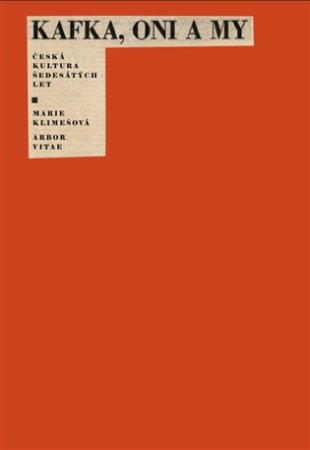
Kafka, oni a my


| Název | ISBN | Sklad | Kafka, oni a my | 9788074671807 | 0 |
|---|
| Author | Publisher | Language | Pages | Published | Width | Height | Marie Klimešová | Arbor vitae | CZ, DE | 320 | 2026 | 22 cm | 31,60 |
|---|
| Váha | 0.998kg |
|---|
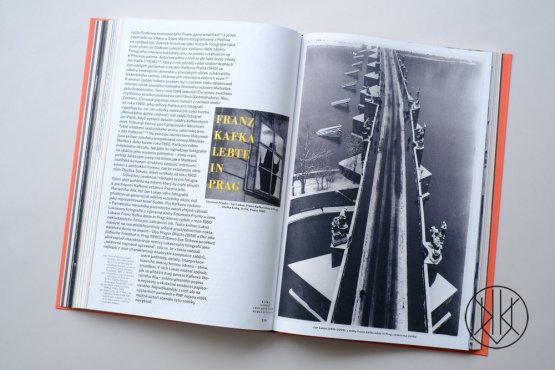
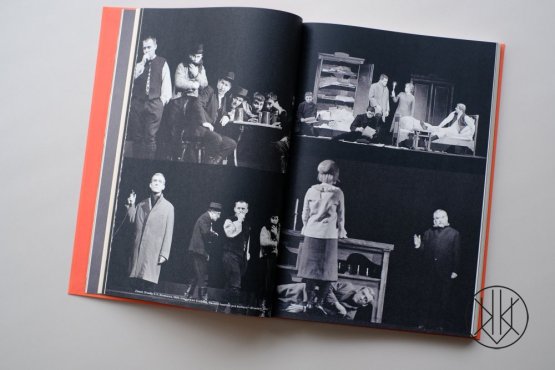
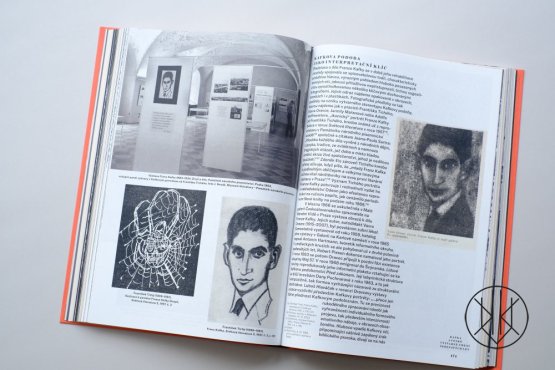
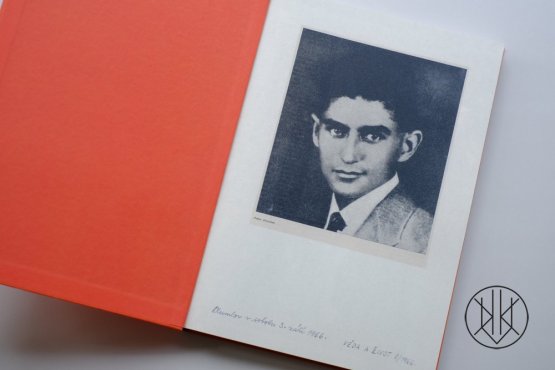
It might seem that there is nothing new left to say about Franz Kafka. However, the book *Kafka: They and We* does not aim to be yet another analysis of Kafka’s work; rather, it reflects how his work was perceived in the 1960s, when it became accessible to a wider audience. The impetus for this book was the discovery of a unique album of carefully pasted newspaper clippings, photographs, and letters—all accompanied by contemporary commentary—relating to the presence of Kafkaesque themes, including rare correspondence between the Moravian writer Ladislav Šebela and Max Brod, Johann Urzidil, and other writers. The author of the book has, for the first time, comprehensively examined the reflection of Kafkaesque themes in the visual arts, theater, and film. This unique archival material, compiled into a cohesive whole, thus becomes one of the key sources of insight not only into Franz Kafka himself but, above all, into the influence of his work on the cultural history of the 20th century.
Texts: Marie Klimešová, Martin Souček
The book is bilingual (Czech-German).